Topic:
The Work Ahead:
Strategies for Workforce Resilience and Well-Being
31st Annual Public Health Symposium
Monday, April 6th, from 9:00 a.m. - 3:30 pm.
New Location:
Cook Student Center:
59 Biel Rd, New Brunswick, NJ 08901
All Attendees must register through the New Jersey Learning Management Network. (You can create a free account if you don’t already have one).
All Attendees must register through the New Jersey Learning Management Network.
(You can create a free account if you don’t already have one).
Join us for the 31st Annual Public Health Symposium: The 2026 Public Health Symposium, “The Work Ahead: Strategies for Workforce Resilience and Wellbeing” builds off the momentum of last year’s 30th Anniversary Public Health Symposium, “The Work Ahead: Practical Strategies for Longterm Impact.” This year’s Symposium will bring together public health professionals, leaders, and practitioners dedicated to strengthening workforce resilience and promoting mental health and well-being in today’s evolving public health landscape. Through expert-led presentations and interactive sessions, participants will gain insights into the impacts of ideological threats, workplace stress, and trauma on the public health workforce, as well as practical tools to foster supportive, trauma-informed, and resilient work environments.
The symposium will highlight evidence-based approaches to worker mental health, organizational resilience, and stress response. Attendees will also have opportunities to network with peers, engage with poster presenters and exhibitors, and participate in roundtable discussions to share experiences, exchange ideas, and identify actionable strategies to support workforce well-being and effectiveness.
Sponsored by the Center for Public Health Workforce Development (CPHWD) at Rutgers University School of Public Health and the Alpha Eta Chapter of Delta Omega Honorary Society in Public Health.
This event is being held in recognition of National Public Health Week 2026 (April 6th-10th)
Poster applications have reached full capacity.
We are no longer accepting additional poster submissions.
We appreciate the strong interest and thank everyone who applied
Speaker:
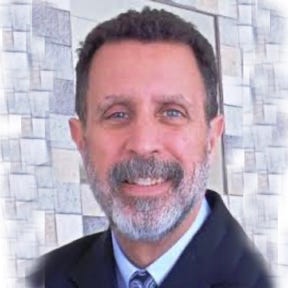
Steve Crimando, MA, CTM, DRCC, Director of Training
New Jersey Division of Mental Health - Disaster & Terrorism Branch
Steve Crimando is the Director of the Homeland Security Human Factors Institute™, and principal of Behavioral Science Applications LLC. He is an emergency behavioral health clinician, educator, and crisis responder with 35 years’ experience in the field.
Steve is a Certified Threat Manager (CTM) with the Association of Threat Assessment Professionals (ATAP), and a Certified Master Trainer for the U.S. Department of Homeland Security National Threat Evaluation and Reporting (NTER) program, as well as Certified Disaster Response Crisis Counselor (DRCC). He serves as a Deputy and Trauma Specialist with the New Jersey Police Surgeons’ Team in the Atlantic County Sheriff’s Office and is a member of FBI (NK)-Joint Terrorism Task Force (JTTF). Steve was deployed to both the 9/11 and 1993 World Trade Center attacks, the Northeast anthrax screening center, and many other disasters and acts of terrorism. He is a published author who is frequently called upon by the media and the courts as an expert in behavioral crisis intervention. He provides training and support to multinational corporations, law enforcement, intelligence and military organizations, as well as NGO’s, such as the United Nations.
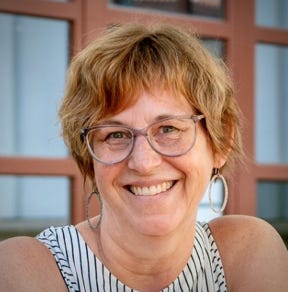
Beth A. Resnick is a Practice Professor at the Johns Hopkins Bloomberg School of Public Health, Department of Health Policy and Management. She is Assistant Dean for Public Health Practice and Training and Director of the MSPH Program in Health Policy. Her research and practice interests include assessing and improving the public health workforce; specifically around advancing public health worker protections and well-being.
Prior to her appointment at Johns Hopkins, Beth Resnick was Director of Environmental Health at the National Association of County and City Health Officials (NACCHO). She provided education, information, research, and technical assistance to the nation’s 3,000 local health departments and facilitated partnerships among local, state, and federal agencies in order to promote and strengthen local environmental public health practice.
Speaker:
Beth Resnick, DrPH, MPH
Assistant Dean for Practice and Training Practice Professor
John Hopkins University Bloomberg School of Public Health
Worker Mental Health and Wellbeing in the Public Health Workforce
Speaker:
Rebecca H. Bryan, DNP, APN
Executive Director of the Office of Resilience
New Jersey Department of Children and Families
Rebecca Bryan, DNP, APN, is the Executive Director of the New Jersey Department of Children and Families Office of Resilience. She oversees initiatives that transform New Jersey into a trauma responsive, healing centered state, grounded in positive and adverse childhood experiences science as well as principles of healing centered engagement. Dr. Bryan has decades of experience in nursing, including as a primary care nurse practitioner and in community outreach. She has been an adjunct professor at the University of Pennsylvania School of Nursing and Rutgers University Camden and has published research demonstrating how risks generated by ACEs align with risks for wounding and delayed healing. Dr. Bryan earned her DNP from Rutgers University, Camden, her MSN from the University of Pennsylvania School of Nursing, and her BSN from Gwynedd-Mercy College. She holds the Trauma Competency Certification from Lakeside Global Institute.
Speaker:
Phil T. McCabe, CSW, CAS, CDVC, DRCC
Health Education Specialist, Rutgers School of Public Health Center for Public Health Workforce Development
Phil McCabe, CSW, CAS, CDVC, DRCC, has over 36 years of experience in Community Education as a Certified Social Worker, Nationally Certified Addiction Specialist, Certified Domestic Violence Counselor, Disaster Response Crisis Counselor, and a board-certified Sexologist. He is the Health Educator Specialist leading the LGBTQIA+ Sexual Violence and Community Engagement Initiative in partnership with the NJ CFS, Division of Women, Rape Prevention and Education. In addition to the Rutgers School of Public Health, Center for Public Health Workforce Development, and Region II Public Health Training Center. His focus area includes Disaster Site Recovery and Resiliency, Stress First Aid, Cultural Competency/Humility, Health Disparities, Social Determinants of Health, Interpersonal Violence Prevention, and LGBTQ Diversity, Equity, and Inclusion. He is an adjunct instructor for the Rutgers School of Nursing, consultant, and facilitator for the Virtual Schwartz Rounds and the NJ NEW Nurses Emotional Wellbeing. He has presented workshops at various local, state, and national events in the US Virgin Islands, Puerto Rico, and the United Kingdom.
Table Exhibitors:
• Rutgers University- School of Public Health Center for Public Health Workforce Development
• Recovery Friendly New Jersey
• New Jersey Association of County and City Health Officials (NJACCHO)
• Telephone Recovery Support
• New Jersey Department of Health
• New Jersey Department of Health Regional Epidemiology Program’
• Rutgers School of Public Health
• New Jersey Society for Public Health Education
Poster Presentations
Maryanne Campbell, Quincy Hunter, Juhi Aggarwal, Midhat Rehman, Dr. Derek Shendell
NJ Safe Schools Program, Rutgers School of Public Health
Analyses of new individual worker wellness activity piloted with New Jersey
teachers supervising work-based learning
The New Jersey Safe Schools Program conducted a pilot activity with New Jersey teachers connecting the U.S. Substance Abuse and Mental Health Services Administration’s “Eight Dimensions of Wellness” model to young workers and individual wellness. In this study, the framework encouraged teachers to consider how emotional, social, and environmental factors shape workplace experiences for young workers, offering insights to schools and districts seeking to strengthen their support systems. The study, published in MDPI's Occupational Health journal (https://doi.org/10.3390/occuphealth1010003), examined how educators approach student wellness and the factors they prioritize when preparing students to enter the workforce.
Christina M. Blackburn, DHSc
The New School/Parsons School of Strategic Design and Management
“In Harm’s Way”: A Critical Examination of Emergency and Medical Personnel’s Readiness to Handle Potentially Lethal Domestic Violence Incidents
Dr. Blackburn’s research examines critical gaps in formal education and professional development for emergency responders, including law enforcement, emergency medicine clinicians, EMS personnel, and firefighters who serve as first-line contacts in domestic violence incidents. These calls are among the most dangerous and most feared assignments, yet responders report being underprepared in both academy training and on-the-job learning. In the context of nationwide staffing shortages across major metropolitan areas, comprehensive, evidence-informed domestic violence training is essential to improve responder safety, clinical and operational competence, and outcomes for victims.
Tatva Shah
Rutgers School Of Public Health
Cameron Krimin
Rutgers School of Public Health / Middlesex County Office of Health Services
LINCS (Local Information Network & Communication System) Public Health Collaboration
with Faith-Based Organizations.
This poster reflects a public health project that partnered with faith-based organizations in Middlesex County, NJ to expand the Local Information Network and Communication System (LINCS). Religious facilities were contacted to collect email addresses for emergency alerts. They obtained emails from 239 of 288 facilities (83%), increasing the LINCS database by 9.37%. The project demonstrates how engaging faith-based organizations can strengthen public health communication and improve community emergency preparedness.
Claire Brown, Victoria Rivera, Samantha Gonnelli
Rutgers School Of Public Health
Putting Wellness PHirst: Designing, Implementing, and Evaluating a Wellness Rewards Program for Emerging Public Health Professionals
As future stewards of population health and well-being, it is critical for public health students to develop proactive wellness habits in school and contribute to a culture of professional well-being within the public health workforce. The School of Public Health’s Wellness Phirst rewards program incentivizing students to practice work-life balance, prioritize their well-being, and develop healthy habits, all critical tasks with the rising burnout rates in the health and helping professions. This opt-out, school-wide program facilitates increased student engagement with peers, staff, and institutional wellness resources, thus promoting personal and professional belonging and confidence at Rutgers and beyond.
Kathleen Flanagan
BORO OF NEW MILFORD, New Jersey Health Department
Nathaniel Ensminger
Middlesex County Offices of Health Services
What is Radiation Emergency?
For my poster, I will be explaining the overview of what radiation emergency is, show the community how to handle radiation emergency, and give steps to follow when a nuclear disaster occurs. There will also be success stories on radiation emergencies and will provide real life examples on how to handle radiation accidents.
Kelly Martins, Christina Norman, Angela Prestifilippo, Ashley N. Bardi, Ann Marie Stoebling
New Bridge Medical Center
Whole Person Care: Improving Health Outcomes Through Collaborative SDOH Integration at Bergen New Bridge Medical Center
Your support is greatly appreciated
Your support is invaluable! To donate, explore the details below about the RBHS Food Pantry and Rutgers Basic Needs Center.
The Rutgers College Avenue Student Center is proud to announce the opening of a Basic Needs Center, a vital resource dedicated to supporting students who may be facing challenges in accessing essential items such as food, hygiene products, and other necessities. This initiative aims to ensure that every student has the support they need to focus on academic and personal success without the burden of resource insecurity.
As part of our commitment to fostering a caring and supportive community, we are encouraging all attendees to contribute by bringing a donation for the Basic Needs Center. Even a small contribution can significantly impact the well-being of students in need.
We kindly request donations of unopened, unexpired, non-perishable food items, such as canned goods, pasta, rice, dry beans, and gently used clothing, including coats, sweaters, shoes, and professional attire.
Your generosity will go a long way in providing relief and stability to students facing food insecurity. Together, we can make a difference and create a stronger, more supportive campus community. Thank you for your kindness and contribution!
For more information about the Basic Need Center, click here:
https://ruoffcampus.rutgers.edu/basic-needs/basic-needs-center